Best Website Builder for Contractors: How to Choose the Right Website for Your Home Service Business
A contractor’s website does not need to win design awards. It needs to make the phone ring, bring in quote requests, and reassure homeowners that they are dealing with a legitimate professional. That sounds obvious, but plenty of home service businesses still choose a website the way they choose a paint color, based on taste instead of performance.
If you run a remodeling company, install pool enclosures, pour coatings, build docks, replace floors, or handle remediation work, the right website decision is rarely about chasing the fanciest platform. It is about matching the tool to the stage of your business, your budget, your time, and the kind of leads you want.
That is why the search for the best website builder for contractors often starts in the wrong place. Owners compare templates, photo galleries, and monthly software fees before they answer the harder question: who is going to keep this site accurate, fast, mobile-friendly, secure, and useful once the initial excitement wears off?
That one question usually determines whether your website becomes an asset or a neglected online brochure.
What contractors actually need from a website
Most homeowners are not studying your site like a design critic. They are moving fast. They want to know whether you serve their area, whether your work looks credible, whether they can trust you in their home, and how to contact you without friction.
A good contractor website supports those decisions. It presents current information, works well on a phone, makes contact details easy to find, and gives people a clear next step. Those basics matter more than novelty. A site with the right essentials and clean execution will outperform a prettier site that hides the phone number, loads poorly on mobile, or leaves visitors guessing about services.
This is especially true in specialized trades. Pool screen enclosure website design, concrete coating website design, epoxy flooring website design, dock builder website design, mold remediation website design, home remodeling website design, and flooring contractor website design all share one truth: customers want proof, clarity, and convenience. They want to see what you do, understand where you work, and know how to reach you.
If your site handles those jobs well, it is doing real business work.
The four common ways contractors get a website
There is no single right path, and that is where many buying decisions go sideways. A contractor website can be built through a DIY platform, by a freelancer, by an agency, or through a managed website for small business. Each route solves a different problem.
A DIY builder is usually the lowest-cost entry point. That makes sense for a newer business or a company that mainly needs a credible online presence with contact information, service pages, and basic lead capture. If you are comfortable writing your own copy, selecting images, and maintaining the site, this can be enough. The trade-off is time. What looks inexpensive in dollars can become expensive in owner attention.
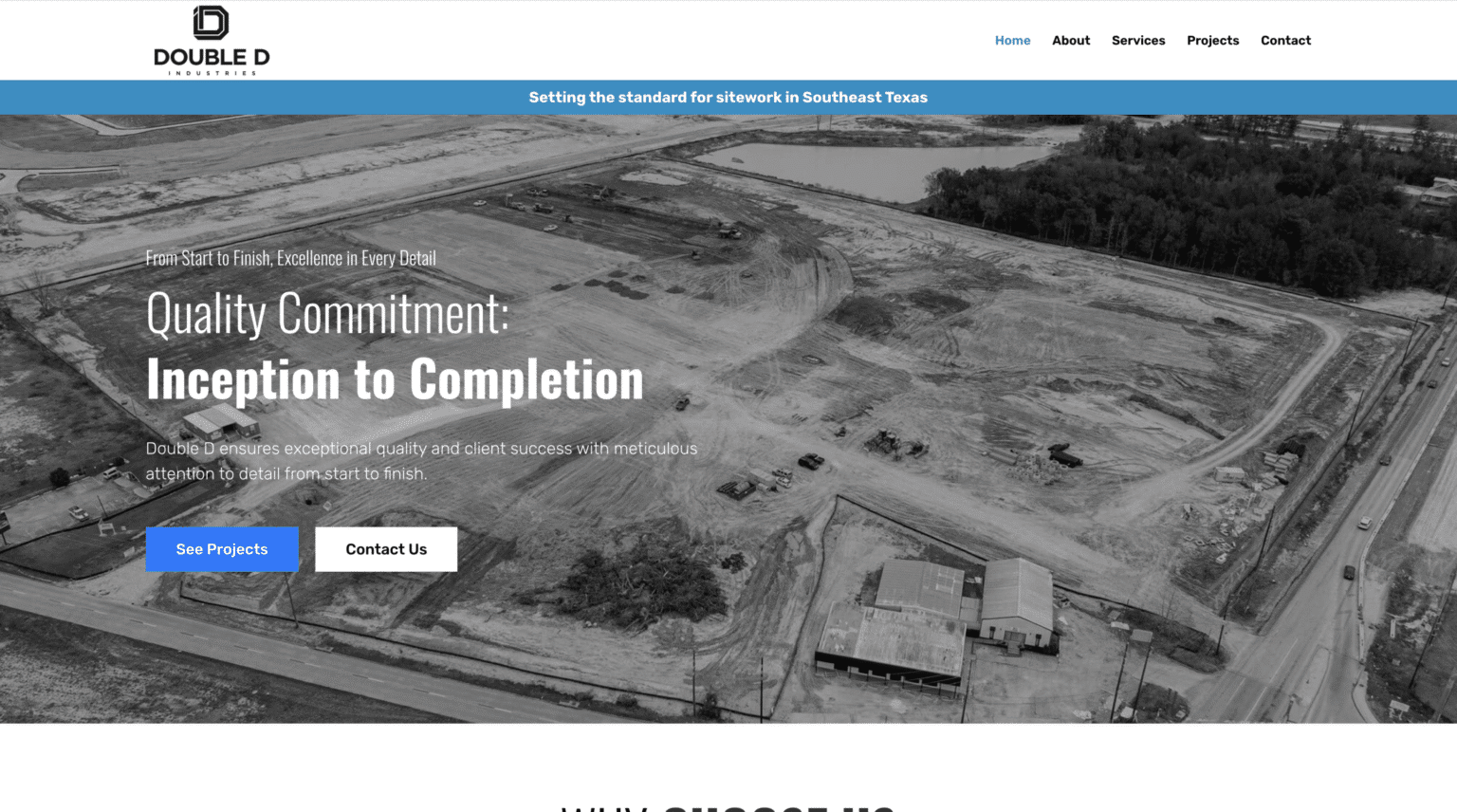
A freelancer sits in the middle. This can be a smart move when you need better design, setup help, or some custom touches, but you do not need a full strategic team. A solid freelancer can make a small contractor site look much more polished than a typical DIY attempt. The risk is variability. Some freelancers are excellent. Some disappear. Some build something good but leave you with a site no one on your team knows how to update.
An agency tends to make more sense when you need broader strategy or more complex functionality. If your site is tied to multiple services, location targeting, brand repositioning, or a larger marketing effort, the extra coordination can be worth it. But agencies usually move the project into a higher fee category. That is not inherently bad, but you should only pay for that level of service if your business actually needs it.
A managed website for small business is a different model altogether. Instead of paying for a big one-time build and then handling everything else yourself, you pay a monthly subscription that often bundles hosting, security, backups, updates, and support. For busy contractors, that convenience can be the deciding factor. You are not just buying a site. You are buying the ongoing care that keeps the site from becoming stale or broken six months later.
So, what is the best website builder for contractors?
The honest answer is that the best option depends on how involved you want to be after launch.
If you want the lowest upfront cost and you are willing to do the setup and maintenance yourself, a DIY website builder can work. It is the most budget-friendly path and can be perfectly acceptable for a contractor who needs a straightforward web presence.
If you want a better-looking site but still want to keep costs below a full agency project, a freelancer may be the best fit. This is often where small businesses land when they have outgrown DIY but are not ready for a larger engagement.
If you need a more custom plan, broader marketing thinking, or more complex functionality, a web designer for contractors working inside an agency environment may be the right move.
If you know your team will not consistently handle updates, security, backups, and support, managed service deserves serious consideration. A managed setup removes a lot of operational burden, and that matters more than most owners realize.
The key is to stop thinking only about the build. Think about the next twelve months. A contractor website succeeds or fails in the maintenance phase.
How much does a contractor website cost?
This is the question owners ask first, and it is the one most likely to get misleading answers. There is no single fixed number because website pricing varies widely based on design, features, functionality, and ongoing maintenance.
That said, the broad shape of pricing is predictable. DIY tends to cost the least upfront. Freelancer and agency builds typically shift more of the cost into project fees, which can range from the low thousands into much higher territory depending on complexity. Managed options spread the investment across a recurring monthly fee, which can be easier for some businesses to absorb because hosting, support, updates, and other services are commonly bundled together.
When owners ask, “how much does a contractor website cost,” what they usually mean is something more practical: what will this really cost me to get live and keep useful? That is the smarter question.
A cheap website that no one updates can become costly in hidden ways. Old service details, broken forms, hard-to-read mobile pages, or missing contact info quietly reduce leads. A more expensive setup can pay for itself if it keeps the site current, conversion-focused, and easy for customers to use. Cost should be judged against lead quality, saved time, and reduced friction, not just the invoice total.
The hidden cost of doing it yourself
DIY gets dismissed too often by agencies and oversold too often by software companies. The truth sits in the middle.
For a contractor with a tight budget and a simple need, DIY can absolutely work. If the business mainly needs a clean website, service descriptions, contact information, and a basic way for leads to come in, a builder can get the job done. It is often the fastest route to having a legitimate online presence.
Where DIY falls apart is consistency. The owner launches with good intentions, then gets busy running crews, answering calls, and solving field problems. The website sits untouched. Photos never get refreshed. Service pages stop reflecting what the company actually does. Announcements and pricing drift out of date. Eventually the site starts signaling neglect.
That matters because outdated information erodes trust. Mobile experience matters too. Many homeowners first encounter a contractor on a phone. If your site is awkward on mobile or your contact details are hard to find, you are creating friction at the very moment someone is ready to act.
DIY is not bad. Unmaintained DIY is bad.
When a freelancer makes sense
There is a sweet spot where freelancers can be a strong fit for contractors. You want something better than a template-driven self-build, but you do not need a major strategic project. You need someone to set up the site, shape the design, apply custom touches, and give the business a more professional online face.
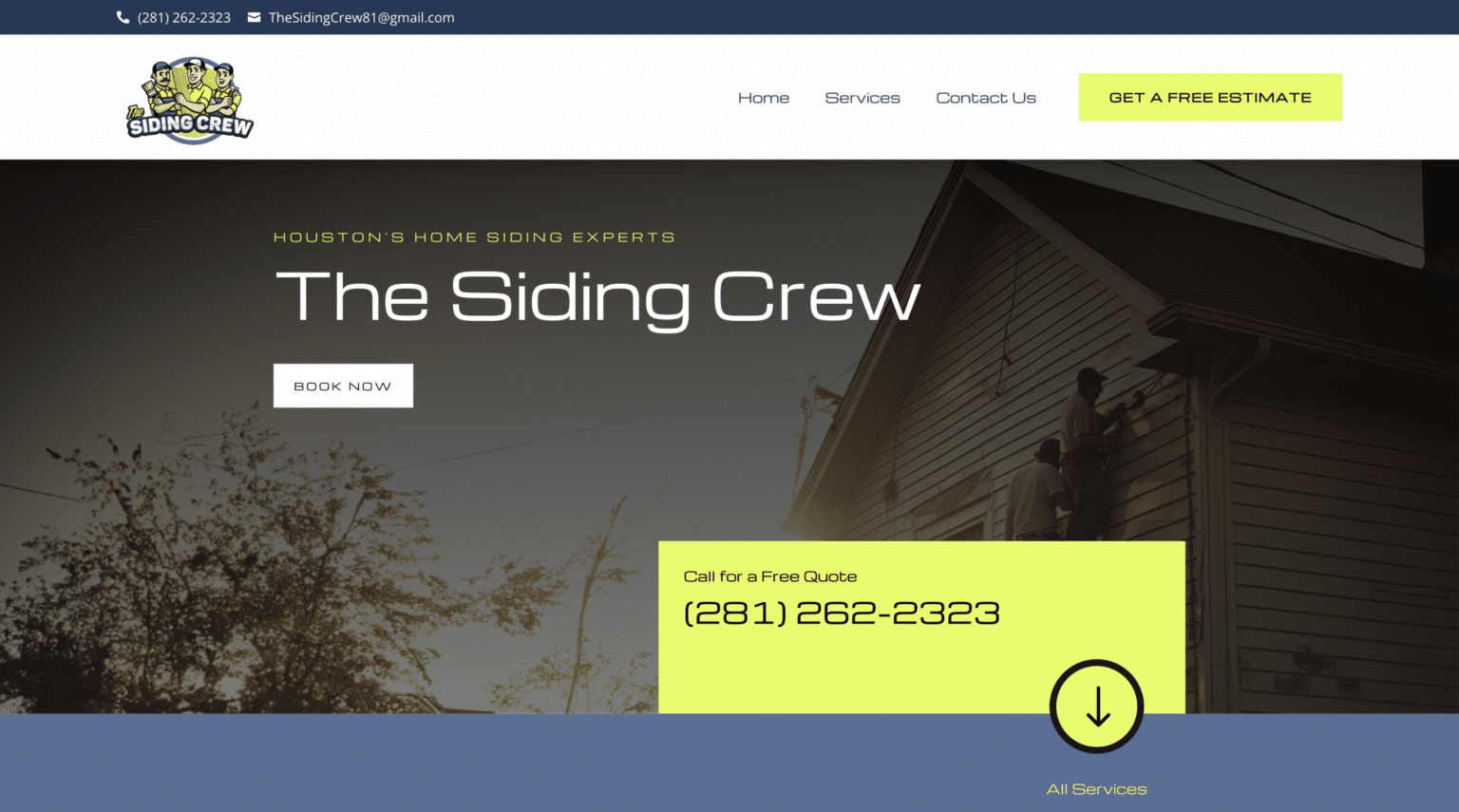
This often works well for companies with a clear service offering and an owner who already knows what the business should say. A flooring contractor website design project, for example, may not require a large agency if the company mainly needs polished service pages, project photos, and an easy quote request path. The same may be true for a concrete coating website design or epoxy flooring website design effort if the scope stays straightforward.
The caution is not about quality, because freelancers can be excellent. It is about support. Before hiring one, think through what happens after launch. Who updates content? Who handles hosting? Who keeps backups? Who fixes issues if the site breaks? If those answers are vague, the lower upfront price may not stay low for long.
When a contractor should hire an agency
Some businesses need more than design and setup. They need strategy. That might involve multiple service lines, a broader brand shift, more custom functionality, or a site that has to support a more sophisticated growth plan.
In that scenario, a web designer for contractors working through an agency can be worth the cost. An agency is generally the better fit when the project requires coordination across design, development, messaging, and broader business goals. You are paying for a more complete process, not just a prettier layout.
This is especially relevant when a contractor website redesign is overdue and the old site has deeper structural problems. Maybe the business has expanded into new services. Maybe the old site is hard to navigate. Maybe mobile users struggle to use it. Maybe key contact details are buried. A redesign is not just a visual refresh in those cases. It visit the site is a chance to rethink how the website supports customer actions.
Still, it is easy to overbuy. If all you really need is a cleaner, current, mobile-friendly site with obvious contact paths, a full agency engagement may be more than necessary.
Why managed websites are gaining traction with contractors
Contractors are busy. That sounds simple, but it shapes this decision more than platform features do. Most owners do not want another dashboard to manage. They do not want to think about hosting, security updates, backups, server maintenance, or whether a plugin conflict took down the form over the weekend. They want a website that stays live, stays current, and supports lead flow.
That is why the managed website for small business model has become so attractive. In a managed environment, those technical and maintenance responsibilities are usually bundled together. Hosting may be fully managed. Security, backups, updates, and support are typically part of the service. The practical value is not glamorous, but it is real. It reduces the number of things that can quietly break while you are focused on operations.
For contractors, that can be the difference between having a site and having a system. One lives online. The other actually gets maintained.
As one example, Scalable Websites is a Houston, TX based managed website provider for contractors nationwide, offering professionally designed websites on a monthly subscription with hosting, security, unlimited updates, a dedicated project manager, and launches in days.
What a contractor website should be judged on
The most common mistake in website shopping is overvaluing appearance and undervaluing function. Looks matter, of course. A sloppy site creates doubt. But a good-looking site that fails to support customer actions is not doing its job.
Here is what matters most when evaluating options:
- Mobile usability and speed for real homeowners on real phones
- Clear contact information that is easy to find
- Current content that reflects your actual services and service area
- A straightforward lead path, such as a call or form submission
- A maintenance plan that keeps the site useful after launch
Those points may sound basic, but they are exactly where many contractor sites lose business. A homeowner is not grading your typography. They are trying to decide whether to call you.
Specialty contractors need relevance, not generic design
One reason many contractor websites underperform is that they feel interchangeable. The same stock layout gets reused across trades with only the headline swapped out. That may save time, but it weakens trust.
A mold remediation website design should not feel like a copy of a dock builder website design. A home remodeling website design should not read like an epoxy flooring website design. These businesses solve different customer problems. Even when the underlying platform is simple, the presentation should reflect the realities of the trade.
That does not require invented complexity. It requires relevance. The service pages should match the work you actually want. The photos should support that story. The wording should make sense for the type of project a customer is considering. A flooring contractor website design, for example, should guide a homeowner differently than a pool screen enclosure website design because the concerns, urgency, and buying process are not the same.
This is where thoughtful setup matters more than the name of the platform.
Signs you need a contractor website redesign
Some sites do not need to be rebuilt. They just need better upkeep. Others are clearly holding the business back. The tricky part is knowing the difference.
If your information is outdated, if the mobile experience is poor, if customers struggle to find your phone number or request a quote, or if the site is difficult to navigate, a contractor website redesign should move higher on your priority list. Those are not cosmetic problems. They directly affect trust and conversions.
The same is true when the business has changed. If you have added services, shifted markets, or evolved beyond what the site currently shows, the disconnect creates confusion. A website should reflect the current business, not the company you were three years ago.
Often, owners delay a redesign because the old site still “looks fine.” That is not the right standard. The real question is whether the site helps customers complete actions you value. If it does not, appearance is beside the point.
How to choose without overcomplicating it
Most contractors do not need a perfect website decision. They need a practical one.
Start with your actual operating style. If you are hands-on, budget-conscious, and willing to maintain the site, a DIY builder can be enough. If you want a more polished presence without agency pricing, a freelancer may be the sweet spot. If you need broader strategic help, an agency makes sense. If you know your team will not manage the site consistently after launch, a managed service is probably the smartest option.
Then evaluate each path through the lens of lead generation and upkeep. Who is writing and updating service pages? Who keeps information current? Who handles security and backups? Who makes changes when your services evolve? Who ensures the site remains useful on mobile? Those answers matter more than whether the homepage animation feels modern.
The best website builder for contractors is the one that your business can actually sustain. Sustainability is often what separates the site that produces leads from the site that quietly goes stale.
The right website is the one that keeps working
A contractor website should reduce doubt and make action easy. It should give homeowners confidence in a matter of seconds. It should present your services clearly, work smoothly on mobile, and make contacting you feel effortless. Whether that site comes from a builder, a freelancer, an agency, or a managed provider matters less than whether it stays accurate, supported, and aligned with how your business runs.
If you are weighing your options, resist the urge to buy based on surface features alone. Ask what kind of website your company can maintain, what level of support you truly need, and how much time you want to spend managing technology instead of serving customers.
That is how you choose a website that does not just exist, but earns its keep.